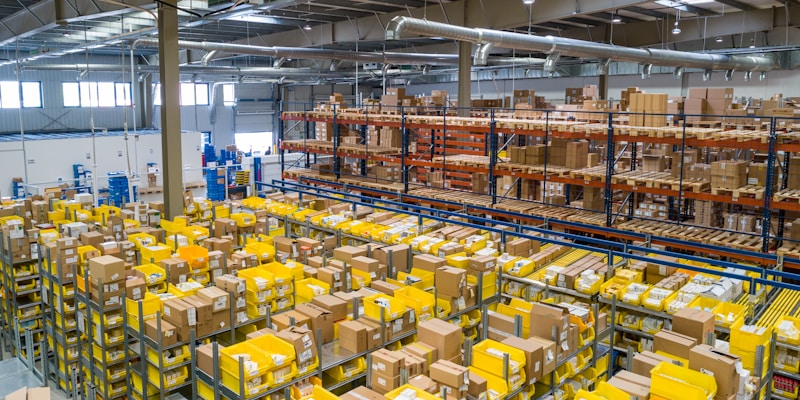
Building a resilient, cost-efficient supply chain is the foundation of sustainable overseas franchise operations. For Chinese F&B brands expanding into Southeast Asia, the supply chain challenge is multi-dimensional: balancing brand consistency with local sourcing, managing cross-border ingredient imports, navigating cold chain infrastructure gaps, and controlling costs in markets with different logistics cost structures.
Three-Source Supply Strategy
Best-in-class overseas franchise supply chains follow a three-source model: (1) Central supply from China for proprietary ingredients and core products that define brand identity (tea leaves, signature sauces, packaging materials); (2) Regional sourcing from within ASEAN for shared Asian ingredients (dairy, tapioca, fruits) that benefit from lower tariffs under RCEP; (3) Local sourcing for perishable goods (fresh milk, vegetables, eggs) where local supply is fresher, cheaper, and more reliable.
Cold Chain Considerations by Market
Cold chain infrastructure varies significantly across the region. Thailand has well-developed cold chain logistics with temperature-controlled transport available nationally. Vietnam's cold chain is improving but concentrated in HCMC and Hanoi — provincial distribution requires careful planning. Indonesia's archipelagic geography makes cold chain logistics complex — consider establishing regional distribution hubs in Java, Sumatra, and Sulawesi.
- Centralized import: tea, proprietary sauces, packaging (monthly shipments)
- RCEP sourcing: dairy from New Zealand/Australia (reduced tariffs)
- Local sourcing: fresh milk, vegetables, eggs (weekly procurement)
- Typical supply chain cost: 25-35% of revenue in ASEAN markets
💡 Halal Compliance: In Indonesia and Malaysia, the entire supply chain — from raw materials to transport vehicles — must be Halal certified. Non-compliance risks product certification revocation and reputational damage. Budget extra time and cost for Halal supply chain certification.
Building Local Distribution Capability
As store count grows, establishing dedicated distribution capability becomes essential. Options range from partnering with established 3PL providers (lower capital, faster deployment) to building proprietary cold chain networks (higher control, better economics at scale). Most master franchisees start with 3PL partnerships and transition to hybrid models once they reach 20+ stores, investing in owned refrigerated vehicles and regional micro-fulfillment centers.
Supply chain setup should begin 6-12 months before the first store opens. Key milestones include: supplier qualification and contracts (T-12 months), regulatory compliance documentation (T-9 months), first trial shipments (T-6 months), and operational qualification at all stores (T-1 month).